herbal tea
Calming herbal teas for relaxation - what to know before you brew
Herbal teas are a lovely caffeine-free bedtime ritual, but the sleep evidence is mixed. An honest UK guide to chamomile, caffeine-free labels and safety.
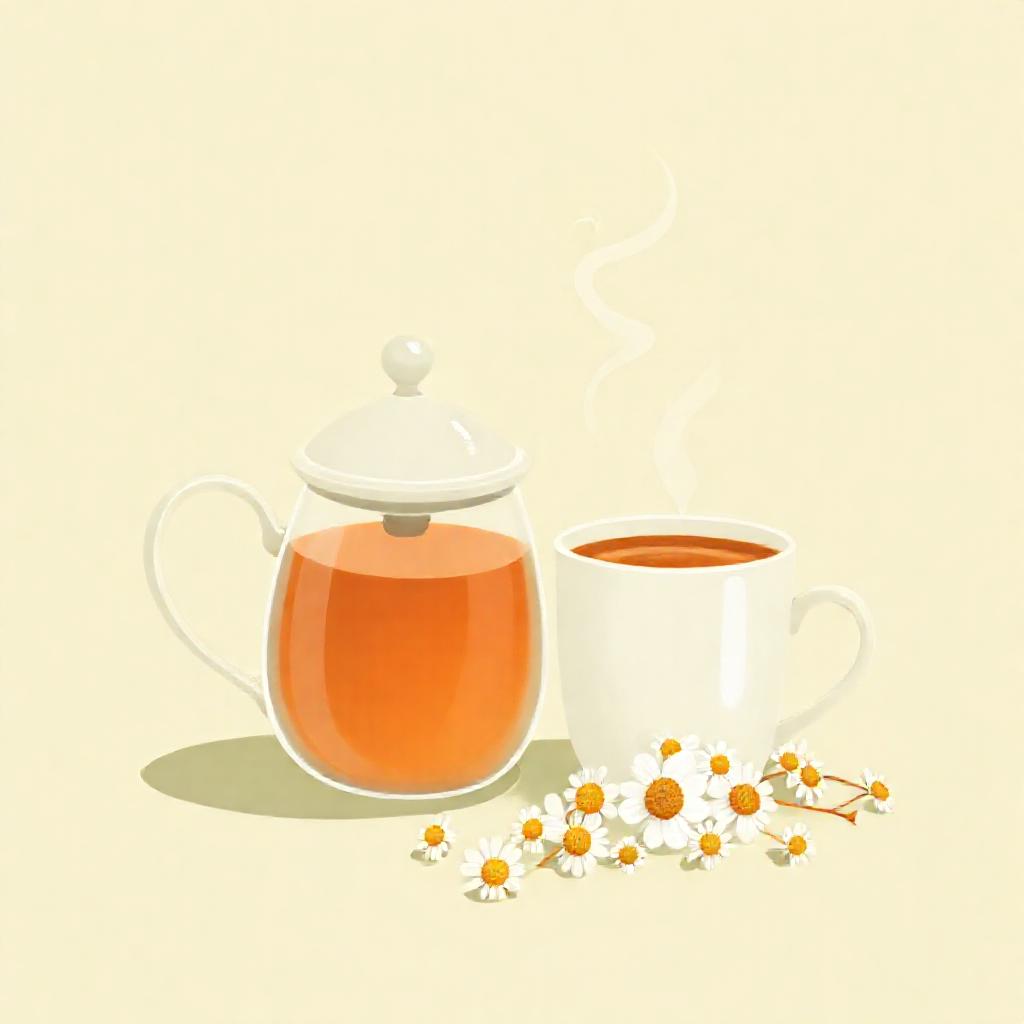
There’s something quietly lovely about the end-of-day ritual of a hot cup of chamomile before bed. It’s warm, it’s soothing, and it’s a small moment of calm in an over-busy day. But if you’re wondering whether it will actually help you sleep better or unwind more easily, it’s worth being honest about what the evidence does - and doesn’t - show.
This guide takes a plain-English, no-hype look at herbal teas for relaxation, so you can enjoy them for what they are without over-egging them.
The appeal of a calming cup
A warm, caffeine-free cup of herbal tea at the end of the day is a genuinely pleasant routine. The warmth feels comforting, and taking five or ten quiet minutes to sit and sip gives you a natural pause before bed. That ritual matters - the NHS notes that relaxing for at least an hour before bedtime is a key part of good sleep habits.
There’s also the fact that a truly caffeine-free brew won’t keep you buzzing the way coffee or a strong cup of builder’s tea might. Caffeine is a recognised culprit when it comes to poor sleep - the NHS advises against having tea or coffee at least six hours before you turn in.
So herbal tea earns its place in a wind-down routine, just so long as you don’t expect it to do more than it reasonably can.
What the evidence actually says about chamomile
Chamomile is the most studied herbal tea for relaxation, and it’s the one you’ll hear most about. It’s also the one where the honest answer is the most mixed.
According to the US National Institutes of Health (via its National Center for Complementary and Integrative Health), studies of chamomile for a range of specific conditions “have not produced sufficient reliable evidence to rate clinical usefulness.” That’s a deliberately cautious way of saying: some promising signals, but nothing conclusive.
When it comes to sleep specifically, the picture is even more honest - and underwhelming. There’s very little high-quality research on chamomile and insomnia, and the one study highlighted in a 2019 review found no clear benefit for the sleep disorder itself.
That doesn’t mean chamomile is worthless. For some people it genuinely feels calming, and a 2020 study pointed to possible benefits for anxiety and low mood. But the reliable takeaway is this: chamomile is a pleasant ritual that may help you feel a little calmer, not a sleeping tablet in a teabag.
Whatever you see on packaging or social media, no herbal tea - chamomile included - has been shown to cure anxiety or insomnia.
“Caffeine-free” doesn’t always mean caffeine-free
It’s a common assumption that all tea is sleep-friendly, but that’s not quite right. Regular black, green and white tea do contain caffeine, because caffeine is naturally present in the tea plant. So the NHS’s advice to skip tea and coffee in the hours before bed is about these caffeinated teas - not about properly caffeine-free herbal brews.
The rule of thumb: check the label. If a “tea” isn’t labelled as caffeine-free, glance at the ingredients to see whether it actually contains the tea plant (Camellia sinensis). A truly caffeine-free herbal tea - chamomile, peppermint, rooibos, lemon balm - won’t give you the caffeine-related stimulation that can delay or disturb sleep. (A couple of herbal-style drinks to watch are yerba mate and guarana-based blends, which can also carry caffeine.)
A quick word on other “sleepy” herbs
You’ll often see lavender, valerian and lemon balm sold as calming or sleep-supporting herbs. These are worth treating with the same healthy scepticism as chamomile.
The NHS does acknowledge that some over-the-counter products from a pharmacist contain natural ingredients such as valerian or lavender, and may help some people sleep a little better for a short while. But it also stresses these products “cannot cure insomnia,” can have side effects (including drowsiness), and can’t be taken for more than a couple of weeks - and you should check with a doctor before taking anything for sleep problems. A fragrant cup of lavender or lemon balm tea can absolutely feel soothing - just treat dramatic “cures” claims with suspicion.
Herbs are still active substances
This is the part most wellness content skips, and it matters. Herbs are natural, but “natural” doesn’t mean “inert.” Herbal teas contain active compounds, and in some cases those compounds can interact with medicines.
For chamomile specifically, the NIH notes a few things worth knowing:
- Medicines: interactions with some drugs processed by the liver, and with the blood thinner warfarin, have been reported. There are also theoretical reasons why chamomile might interact with sedatives.
- Contraception: preliminary research suggests chamomile might decrease the effect of birth control pills.
- Pregnancy and breastfeeding: little is known about whether chamomile is safe to use in pregnancy or while breastfeeding, so it’s sensible to be cautious.
- Allergies: if you’re allergic to related plants such as ragweed, chrysanthemums, marigolds or daisies, you’re more likely to react to chamomile.
None of this means you need to be frightened of an ordinary cup of the stuff. It does mean you should treat herbal teas as gentle medicines rather than harmless water. If you’re on regular medication, or you’re pregnant or breastfeeding, check with your GP or a pharmacist before making herbal teas a daily habit - they can give you advice specific to you.
How to make it part of a bedtime routine
If you’d like to make a calming herbal tea part of your evening, here’s a gentle, realistic way in:
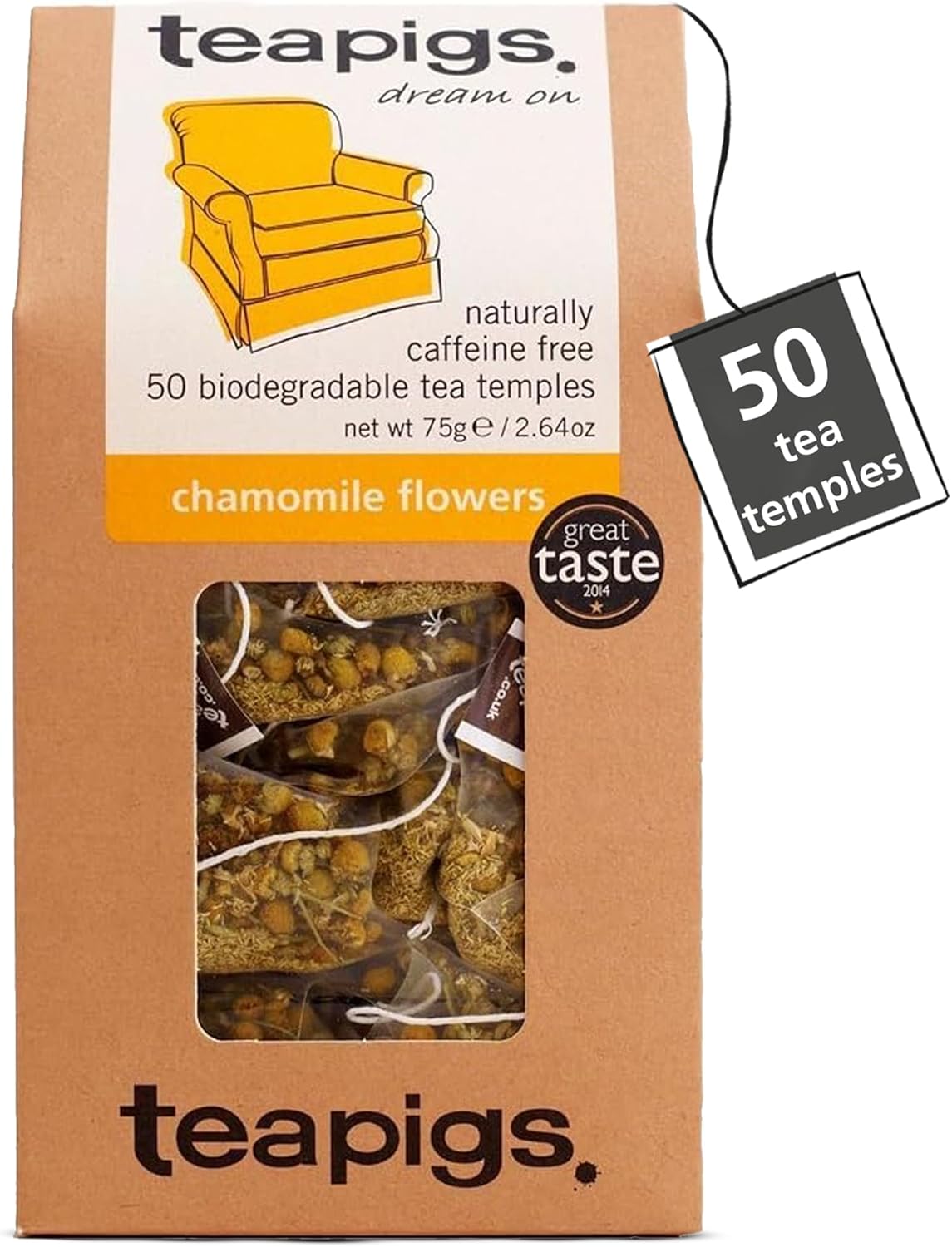
- Choose a genuinely caffeine-free brew. Chamomile, rooibos, peppermint, lemon balm and lavender are good places to start.
- Build the ritual, not the promise. Set it up as ten quiet minutes for yourself - put the kettle on, make the tea, sit down somewhere comfortable - rather than expecting the tea alone to send you to sleep.
- Time it into your wind-down. Aim for it in that hour before bed that the NHS advises relaxing in, rather than right at lights-out, when you’ll need the loo in the night anyway.
- Keep it simple, skipping extra sugar, and if you’re pregnant or on medication, have that chat with a pharmacist first.
- Pair it with other good sleep habits like a regular wake-up time, a dark and quiet room, and screen-free time before bed - all things the NHS highlights as genuinely helpful.
Let the tea be the cosy, comforting part of the evening - not the thing expected to do all the work.
The bottom line
Herbal teas are a warm, caffeine-free, genuinely pleasant way to mark the end of the day, and they can be a lovely part of a healthy bedtime routine. Chamomile has the most research behind it, but the evidence for a strong, direct effect on sleep is limited and mixed - so enjoy it as a ritual first and a remedy second. And because herbs are active substances, treat herbal teas with respect: if you’re on regular medication or pregnant or breastfeeding, a quick chat with your GP or pharmacist is the sensible first step.